Master Triathlon with the Right Nutrition

Triathlon isn't just a sport; it's a journey of overcoming where every second counts, and every drop of energy makes a difference. With the right triathlon supplements, you fuel your body to face the most intense challenges, boosting your strength, endurance and recovery capacity. Every stroke, every pedal stroke and every stride demands the best from you, and our mission is to ensure that your performance matches your determination and that you can write your own story.

Discover how our triathlon supplements help you maximize performance and stay on top of your game, from training to competition. Get ready to take the next step towards your best, because with the right nutrition, there are no limits!

Essential supplements to boost your training

It's important to fuel your body with the right nutrients.

Here are our top recommendations for supplements, specifically selected to support your Cross Training routine.

Tips for Using and Timing Triathlon Supplements

Strategic supplementation is essential for triathletes looking to improve their performance and speed up muscle recovery.

Knowing the right time to consume each supplement during training and competition helps to maximize the benefits and avoid unnecessary wear and tear. Here are tips on how to use supplements before, during and after the race.

Collapsible contents

Before Competition or Training: Charge the Batteries

Purpose: To increase energy levels and ensure adequate hydration before physical exertion.

Fast-absorbing carbohydrates: Consume a source of fast carbohydrates, such as a sports drink or a pre-workout supplement with maltodextrin, about 30 to 45 minutes before the race. This provides the initial energy needed without overloading the stomach.

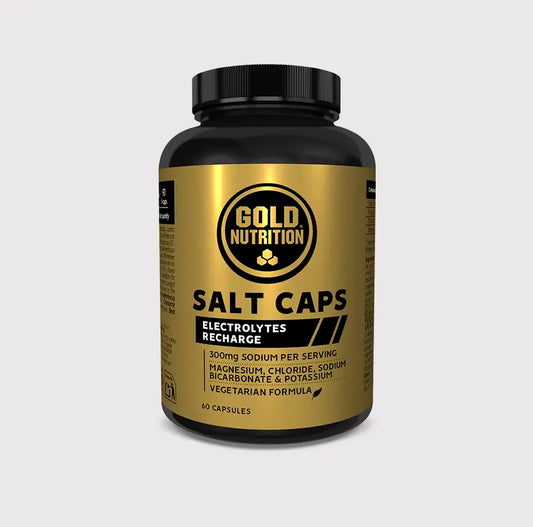
Electrolytes: About an hour before the race, it is useful to take electrolyte supplements, especially on hot days, to ensure that the body is well hydrated and that the loss of mineral salts is compensated for.

Caffeine (Optional): Many triathletes opt for a caffeine supplement (approximately 100 mg) about 30 minutes before the start. Caffeine can increase focus and reduce the perception of fatigue, helping with initial performance.

Collapsible contents

During the Competition: Maintaining Energy and Hydration

Objective: To maintain stable energy levels, ensure hydration and prevent cramps.

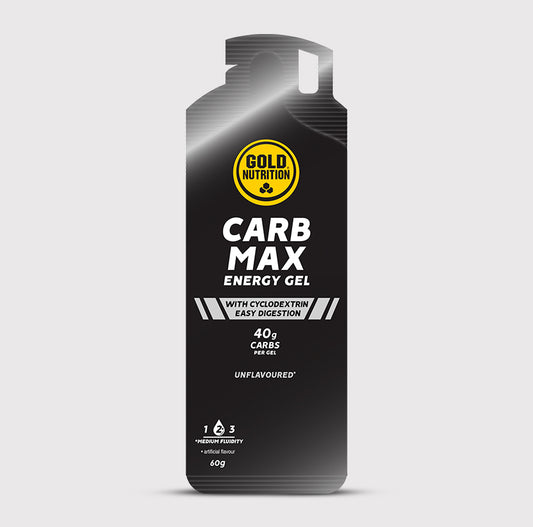
Energy gels: It is recommended to consume energy gels with carbohydrates every 45-60 minutes of activity. These gels provide quick energy and prevent the body from drawing on muscle glycogen reserves, which could cause early fatigue.

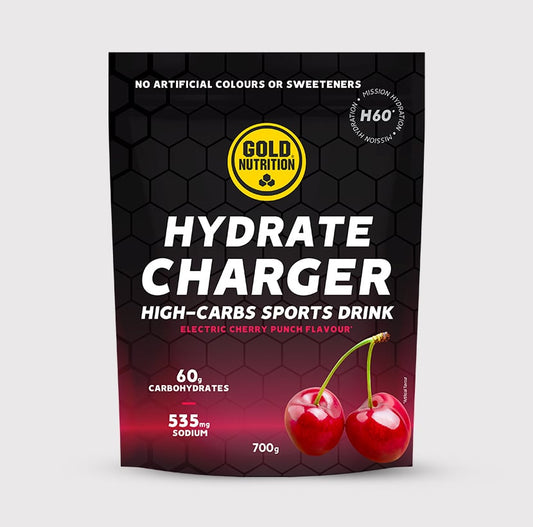
Isotonic drinks and electrolytes: To replenish lost fluids and minerals, the use of isotonic drinks should be constant, especially during the cycling and running part. These drinks help prevent dehydration and keep sodium, potassium and magnesium levels balanced, which is essential to avoid cramps.

Options of Energy Bars or Dried Fruit: In long races, some triathletes supplement their intake with easily digestible energy bars or dried fruit, such as dehydrated bananas, which provide carbohydrates and potassium.

Collapsible contents

After the Competition: Recovery Phase

Objective: To replenish energy reserves, repair muscles and reduce inflammation.

Fast-absorbing protein: Protein is essential for repairing muscle fibers worn out during the race. Consuming a protein shake within 30 minutes of the race helps recovery and prevents muscle degradation.

BCAAs and Glutamine: In addition to protein, the amino acids BCAAs and glutamine are great for improving muscle regeneration and reducing pain and inflammation, aiding recovery and protecting the immune system.

Antioxidants: Consuming antioxidants helps reduce the oxidative stress caused by intense exercise, improving the body's overall recovery.

Post-race hydration: Reinforcing water and electrolyte intake to replace lost fluids is crucial, especially if the race took place in very hot conditions.

FAQs on Triathlon Supplements

Supplementation for triathlon can raise many questions, especially for beginners who want to optimize performance and recovery. Below we answer some of the most frequently asked questions, with answers that cover everything from the choice of supplements to how to use them most effectively.

1. What is the difference between energy gels, isotonic drinks and energy bars?

Energy Gels: These are fast-absorbing carbohydrates in gel form that provide immediate energy during the race. They are ideal for consuming quickly without interrupting your pace.

Isotonic drinks: These contain carbohydrates and electrolytes, such as sodium and potassium, to keep the body hydrated and compensate for the loss of mineral salts. They are used throughout the race and help prevent dehydration and cramps.

Energy Bars: These are sources of carbohydrates and proteins that offer prolonged energy, although they are a little slower to absorb than gels. They can be used during longer training sessions or between race sessions.

2. What supplements help prevent cramps during triathlons?

Cramps are often caused by a lack of electrolytes and dehydration. Electrolyte supplements such as sodium, potassium and magnesium are essential to help prevent cramps, especially in long races. In addition, staying hydrated throughout the race and including potassium-rich foods such as bananas also helps.

3. How much protein should I consume after a race for optimal recovery?

The recommended amount usually varies according to weight and individual needs, but an average of 20 to 30 grams of protein after the race is enough for most triathletes. Whey protein is especially popular for its rapid absorption, helping the muscles recover immediately after intense exercise. At GoldNutrition you can count on Fast Recovery.

4. What are the best supplements for improving endurance in long races?

The main supplements to increase endurance include slow-release carbohydrates, such as maltodextrin, and energy gels consumed throughout the race. In addition, some triathletes use beta-alanine, which helps buffer lactic acid in the muscles, delaying fatigue. Caffeine is also used in moderate doses to reduce the perception of effort.

5. Are caffeine supplements safe to use during triathlons?

Yes, many athletes use caffeine to improve concentration and reduce feelings of fatigue, especially in cycling and running. The recommended dose of caffeine for athletes generally ranges from 100 to 200 mg, taken around 30 to 60 minutes before an effort. However, it is important to test your tolerance to caffeine in training, to avoid gastrointestinal discomfort or nervousness.

6. Is it really necessary to take supplements or is a balanced diet enough?

Yes, Beta-Alanine can help increase muscular endurance and reduce fatigue during intense training sessions. It is a supplement that should be taken daily so that muscle carnosine levels increase over time.

7. Can I take supplements on rest days?

Yes, especially muscle recovery supplements such as glutamine and BCAAs, which help with regeneration even on rest days. Protein intake is also recommended, as the body continues to repair and strengthen the muscles on these days.

8. What supplements can I take to protect my immune system?

Supplements such as vitamin C, vitamin D, zinc and glutamine help to strengthen the immune system. Intense triathlon practice can temporarily lower immunity, so these supplements are recommended to prevent infections and ensure a healthy recovery between races.

9. What should I avoid when using triathlon supplements?

Avoid exceeding the recommended amount of gels or energy drinks, as excess carbohydrates can cause gastrointestinal discomfort. Make sure that the supplements you choose are of reliable origin and approved for sports use. Test any new supplements during training and never on competition days.

10. Is it necessary to consume antioxidants after training?

Yes, antioxidants such as vitamin C, vitamin E and natural compounds found in fruit and vegetables help combat the oxidative stress caused by intense workouts, speeding up muscle recovery and reducing the risk of injury.

FIND OUT MORE ON OUR BLOG

  • Pão de Ló Húmido Proteico

    Pão de Ló Húmido Proteico

    A Páscoa pede doces especiais, momentos em família e, claro, receitas que alimentam o corpo e a alma. Para esta época, trazemos-te uma sugestão incrível com a ajuda de uma...

    Pão de Ló Húmido Proteico

    A Páscoa pede doces especiais, momentos em família e, claro, receitas que alimentam o corpo e a alma. Para esta época, trazemos-te uma sugestão incrível com a ajuda de uma...

  • Homem jovem com expressão de dor segurando o braço no ginásio. Ele veste uma t-shirt branca e preta e calções pretos, sentado num banco de musculação com equipamentos de treino ao fundo.

    4 Most common gym injuries: How to avoid and tr...

    A simple run on the treadmill can cause an injury, whether you're a more or less experienced exerciser. In this article we'll tell you about the four most common gym...

    4 Most common gym injuries: How to avoid and tr...

    A simple run on the treadmill can cause an injury, whether you're a more or less experienced exerciser. In this article we'll tell you about the four most common gym...

  • Dois suplementos da GoldNutrition sobre um banco de treino num ginásio. À esquerda, um frasco preto de Creatine Powder (Creatina Monohidratada) e, à direita, um frasco azul de BCAA & Glutamine (Aminoácidos de Cadeia Ramificada com Glutamina).

    BCAAs e Creatina: podem ser tomados juntos?

    Será que é uma boa ideia tomar a creatina e os BCAAs em conjunto? Sim, a combinação destes dois ingredientes/suplementos pode promover o crescimento dos teus músculos e acelerar a...

    BCAAs e Creatina: podem ser tomados juntos?

    Será que é uma boa ideia tomar a creatina e os BCAAs em conjunto? Sim, a combinação destes dois ingredientes/suplementos pode promover o crescimento dos teus músculos e acelerar a...

  • Pessoa a aplicar bandas de kinesio na perna de um atleta, possivelmente para suporte muscular ou recuperação de lesão. O ambiente parece ser um local de treino ou recuperação, com tapetes de exercício, tesoura e garrafa de água ao redor.

    5 Lesões em desportos de resistência

    As lesões em desportos de endurance são frustrantes e podem impedir a tua participação no grande dia. Saber como prevenir lesões deve fazer parte do teu plano de treino. Os...

    5 Lesões em desportos de resistência

    As lesões em desportos de endurance são frustrantes e podem impedir a tua participação no grande dia. Saber como prevenir lesões deve fazer parte do teu plano de treino. Os...